

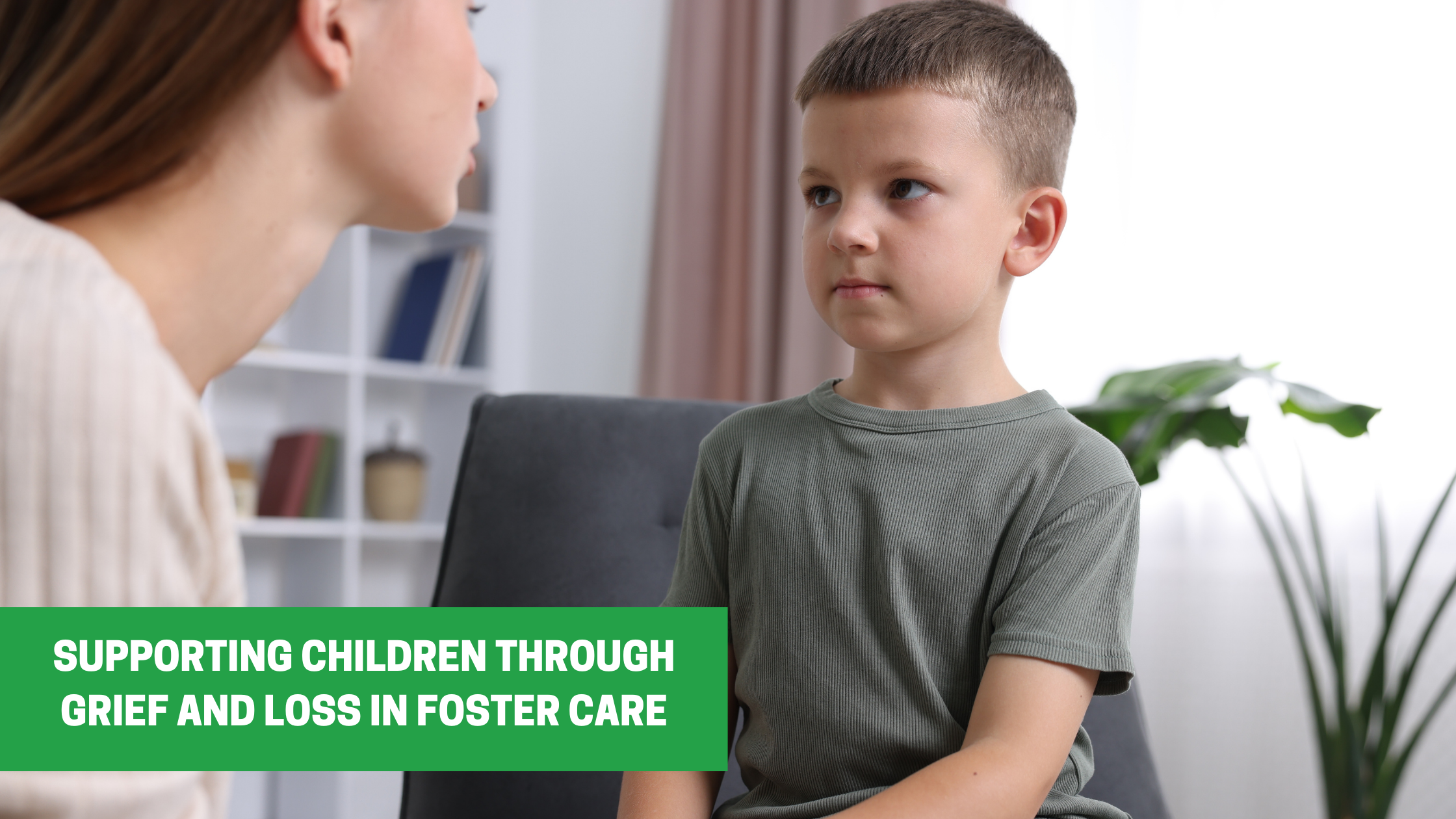
When we think of grief, we often associate it with the death of a loved one. However, for children in foster care, grief is a complex, multi-layered experience that begins the moment they are separated from their biological families. This separation, even when necessary for safety, represents a profound loss. They lose their parents, their home, their routine, and often their friends, pets, and sense of belonging.
Supporting a child through this emotional landscape is one of the most challenging and vital roles a foster parent or caregiver can play. It requires patience, empathy, and a willingness to sit with uncomfortable feelings without rushing to “fix” them. By understanding the unique nature of their grief, you can create a sanctuary where healing can begin.
Understanding Ambiguous Loss
Children in foster care often experience what is known as “ambiguous loss.” This is the grief that comes from being separated from family members who are still alive. It is a confusing state of limbo where a child may feel relieved to be safe but simultaneously devastated to be away from their parents.
It’s crucial to validate this confusion. A child does not have to choose between loving their biological family and appreciating their foster family. You can help by acknowledging that it is okay to miss their parents, even if things were difficult at home. Validating these feelings helps a child feel seen and reduces the shame they might feel about their loyalty to their birth family.
Recognizing the Many Faces of Grief
Grief in children rarely looks like it does in adults. While some children may cry or withdraw, others might express their pain through behavior that can be difficult to manage. It is important to look beneath the surface behavior to see the hurting child underneath.
Common signs of grief in children include:
- Regression: Returning to behaviors from a younger age, such as bedwetting, thumb-sucking, or baby talk.
- Anger and Aggression: Acting out, breaking rules, or having outbursts are often ways to regain a sense of control when they feel powerless.
- Anxiety and Clinginess: Fear that you will leave or that they will be moved again can make it hard for them to be alone.
- Physical Symptoms: Stomach aches, headaches, or trouble sleeping are common physical manifestations of emotional stress.
When you see these behaviors, try to view them as a language. The child is telling you they are hurting. Responding with calm consistency rather than punishment helps build trust.
Creating a Safe Space for Communication
One of the most powerful tools you have is open communication. You don’t need to have all the answers, but you need to be a safe container for their questions and feelings. Let the child lead the conversation. If they want to talk about their biological family, listen without judgment or criticism.
Creating a “Life Book”, a scrapbook of photos, mementos, and stories from their past, can be a therapeutic activity. It shows the child that their past is real and important, and that they don’t have to erase their history to be part of your home.
The Healing Power of Stability
When a child’s world has been turned upside down, predictability is a balm for the nervous system. Unexpected changes can trigger trauma responses, so establishing a reliable routine is essential. Knowing what to expect at mealtime, bedtime, and after school creates a sense of safety.
Grief is not a linear process. There will be good days and hard days. Birthdays, holidays, and family visits can trigger waves of sadness long after a child seems to have settled in. Your steady presence—showing up day after day, regardless of their mood—is the antidote to the instability they have experienced.
Looking for More Guidance?
By offering unconditional support, you help your foster kids learn that while they have lost much, they are not alone! If you’re looking for guidance or resources to support the kids in your life, the Choices For Life team is by your side. Reach out today.