

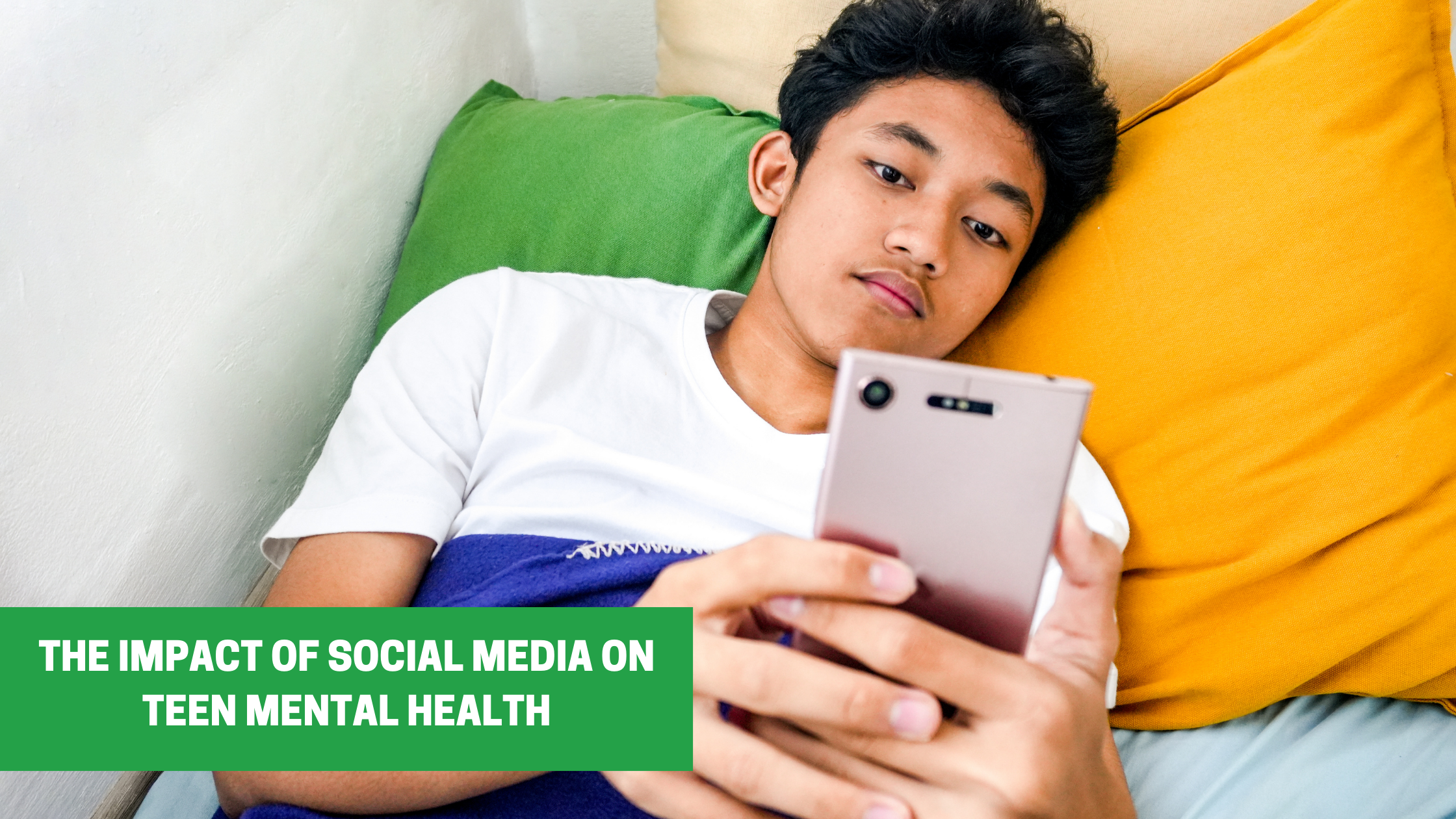
Social media has become a central part of most teenagers’ daily lives. Platforms like Instagram, TikTok, Snapchat, and others allow teens to connect with friends, share experiences, and explore their interests. While social media can offer positive opportunities for connection and creativity, it can also have a significant impact on a teen’s mental health. Understanding these effects can help parents guide their children toward healthier digital habits.
One of the biggest challenges teens face on social media is comparison. Social platforms often highlight the most exciting or carefully edited parts of people’s lives. When teens constantly see images of seemingly perfect friendships, achievements, or appearances, they may begin to feel like they don’t measure up. Over time, this comparison can affect self-esteem and contribute to feelings of insecurity or sadness.
Another concern is the pressure to stay constantly connected. Many teens feel they must respond quickly to messages, keep up with trends, or stay active online to maintain friendships. This pressure can create stress and make it difficult for teens to fully disconnect and relax. It can also interfere with sleep if teens stay up late scrolling or checking notifications.
Social media can also expose teens to cyberbullying or negative interactions. Unlike face-to-face conflicts, online interactions can sometimes feel more intense because they happen publicly and can spread quickly. Hurtful comments or exclusion online can have a strong emotional impact, especially during the teenage years when peer relationships are extremely important.
Despite these challenges, social media does not have to be entirely negative. When used thoughtfully, it can help teens build friendships, discover hobbies, and find supportive communities. The key is helping teens develop healthy boundaries and balanced habits around their digital use.
Here are a few ways parents can support their teens in building healthier digital habits:
Start open conversations about social media.
Talk with your teen about the platforms they use and what they enjoy about them. Ask questions and listen without immediately judging or criticizing. When teens feel safe discussing their online experiences, they are more likely to share concerns or challenges they encounter.
Encourage balance between online and offline activities.
Help teens make time for activities that support their well-being, such as sports, hobbies, spending time outdoors, and connecting with family and friends in person. These experiences help teens develop confidence and perspective beyond what they see online.
Set reasonable boundaries for screen time.
Families can work together to create guidelines for device use, such as limiting screen time before bed or having technology-free times during meals or family activities. These boundaries can help teens build healthier routines while still enjoying the benefits of social media.
Teach teens to think critically about what they see online.
Remind teens that many images and posts are carefully selected or edited. Helping them understand that social media often shows a highlight reel rather than everyday reality can reduce the pressure to compare themselves to others.
Model healthy digital habits.
Parents play an important role in demonstrating balanced technology use. When teens see adults setting boundaries with their own devices and prioritizing real-life connections, they are more likely to adopt similar habits.
Navigating social media can be challenging for teens as they develop their identity and relationships. With guidance, open communication, and healthy boundaries, parents can help their teens build a positive relationship with technology. If a teen begins showing signs of anxiety, withdrawal, or changes in mood related to social media or other stressors, our counseling services can provide additional support and help them develop healthy coping strategies for the future.
Looking for More Guidance?
By offering unconditional support, you help your foster kids learn that while they have lost much, they are not alone! If you’re looking for guidance or resources to support the kids in your life, the Choices For Life team is by your side. Reach out today.