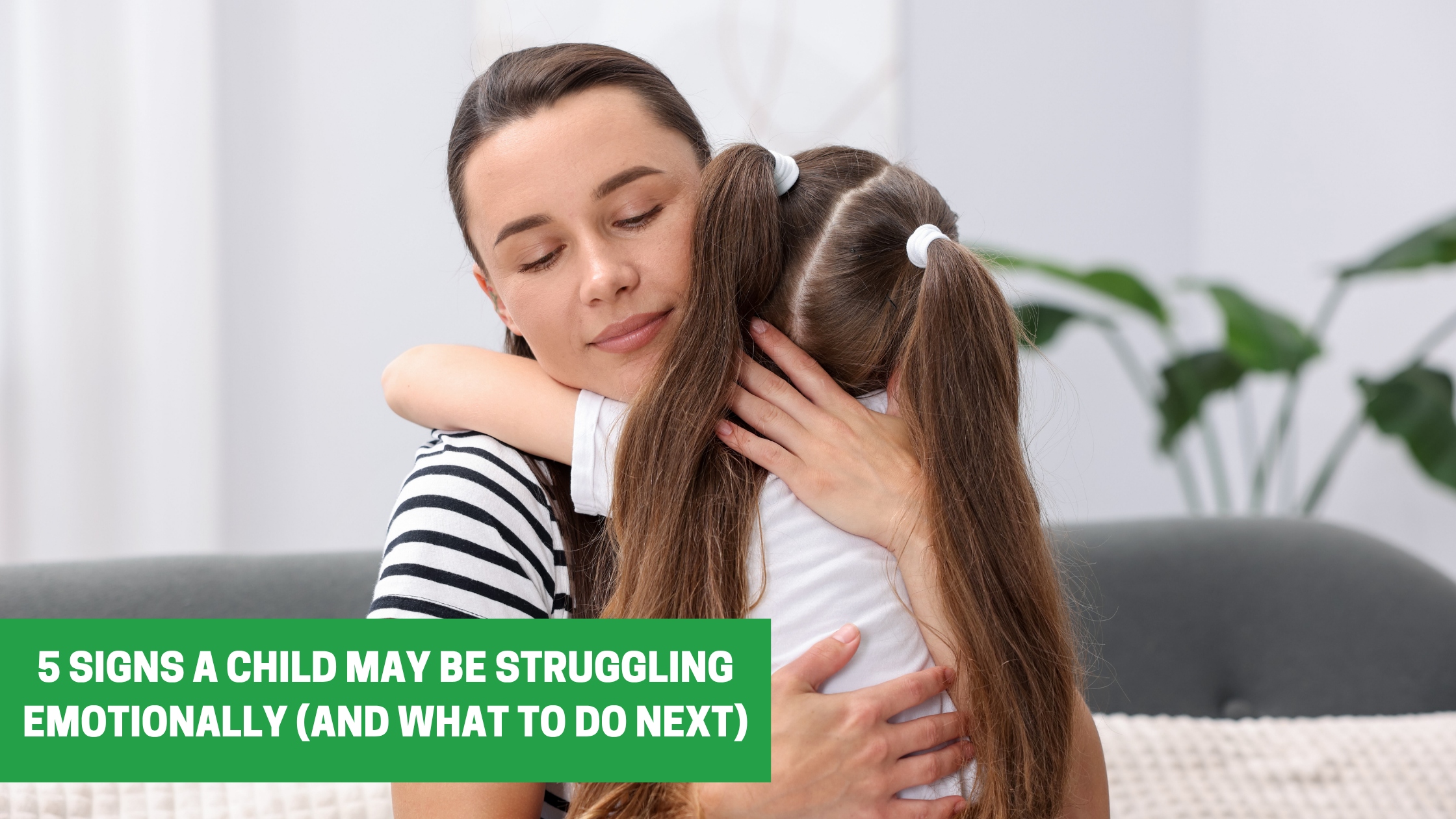
Children don’t always have the words to tell us when something is wrong. They communicate through behavior, withdrawal, and emotion. As caregivers, foster parents, and community members, one of the most powerful things we can do is learn to recognize the signs.
May is both Foster Care Awareness Month and Mental Health Awareness Month — a meaningful reminder that emotional wellbeing and stable support systems go hand in hand. At Choices For Life, we believe every child deserves to be seen, heard, and supported. Here are five signs that a child in your life may be struggling emotionally, and what you can do to help.
-
Sudden Changes in Behavior or Mood
If a child who is typically calm becomes irritable, defiant, or explosive (or a once-energetic child suddenly becomes withdrawn and flat) this shift is worth paying attention to. Emotional struggles often surface as behavioral changes before a child can articulate what they’re feeling. This is especially common in children who have experienced trauma or instability.
-
Withdrawal From People or Activities They Once Enjoyed
When a child starts pulling away from friends, family, hobbies, or school activities they previously loved, it can signal that something deeper is going on. Isolation is a natural coping mechanism for children who feel overwhelmed, unsafe, or unable to process their emotions. Don’t dismiss it as “just a phase”. Consistent withdrawal is a flag that deserves gentle, consistent follow-up.
-
Physical Complaints Without a Clear Medical Cause
Stomachaches, headaches, and fatigue that seem to appear around stressful situations (like school mornings or transitions) can often be the body’s response to emotional distress. Children frequently express anxiety and sadness through physical symptoms because they haven’t yet developed the emotional vocabulary to describe what they’re experiencing internally.
-
Difficulty Regulating Emotions
Frequent meltdowns, extreme reactions to small disappointments, or an inability to calm down after being upset are signs that a child may be struggling to manage big emotions. For children who have experienced adverse childhood experiences (ACEs) or trauma, emotional dysregulation is incredibly common — and it is not a character flaw. It is a signal that their nervous system needs support.
-
Declining Performance at School or Home
A drop in grades, difficulty concentrating, forgetting responsibilities they previously managed, or increased conflict at home can all point to emotional overwhelm. When a child’s mental load is heavy, everyday tasks become harder to manage. What looks like laziness or defiance on the surface is often exhaustion or emotional survival.
So, What Do You Do Next?
The most important first step is to stay calm, consistent, and curious. Children heal in relationships — and knowing that a trusted adult sees them and isn’t going anywhere makes an enormous difference.
If you’re noticing several of these signs, consider reaching out to a behavioral health professional who specializes in children. At Choices For Life, our outpatient counseling services are designed specifically for children and adolescents.
You Don’t Have to Have All the Answers!
You don’t have to wait for a crisis to ask for help. Early support leads to better outcomes, and no caregiver or child should navigate this alone. Call Choices For Life today to learn more about our counseling services for children and adolescents. We’re here to help every step of the way! Reach out today.